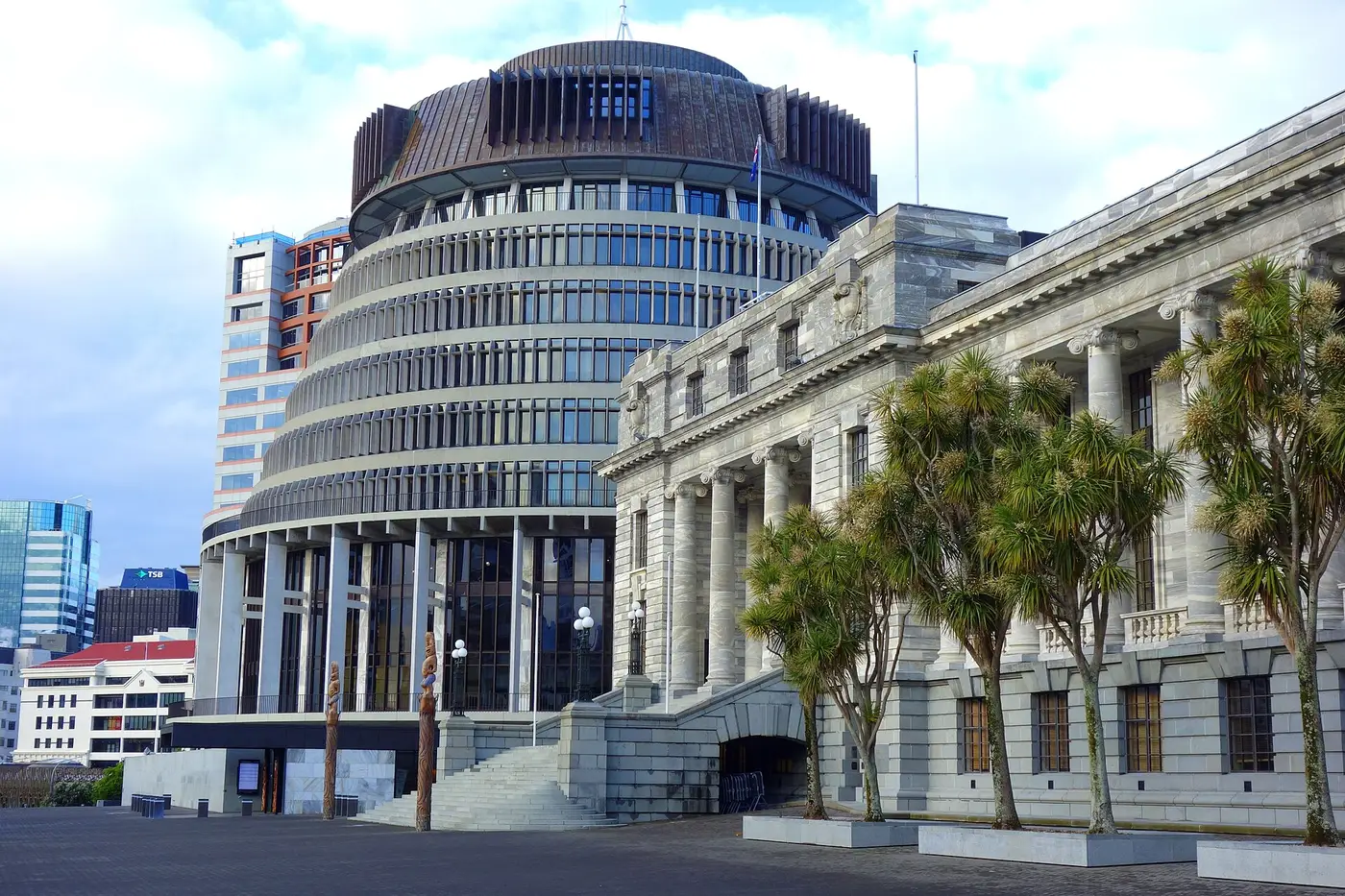
Government drops crypto ATM ban in favour of cash limits
A year after saying it would outlaw crypto ATMs, the Government has decided a blanket ban goes too far. A bill now before Parliament would let it cap or block cash purchases of crypto instead, but the limits won’t be consulted on until 2027.

By Eli Hylands
· 3 min read
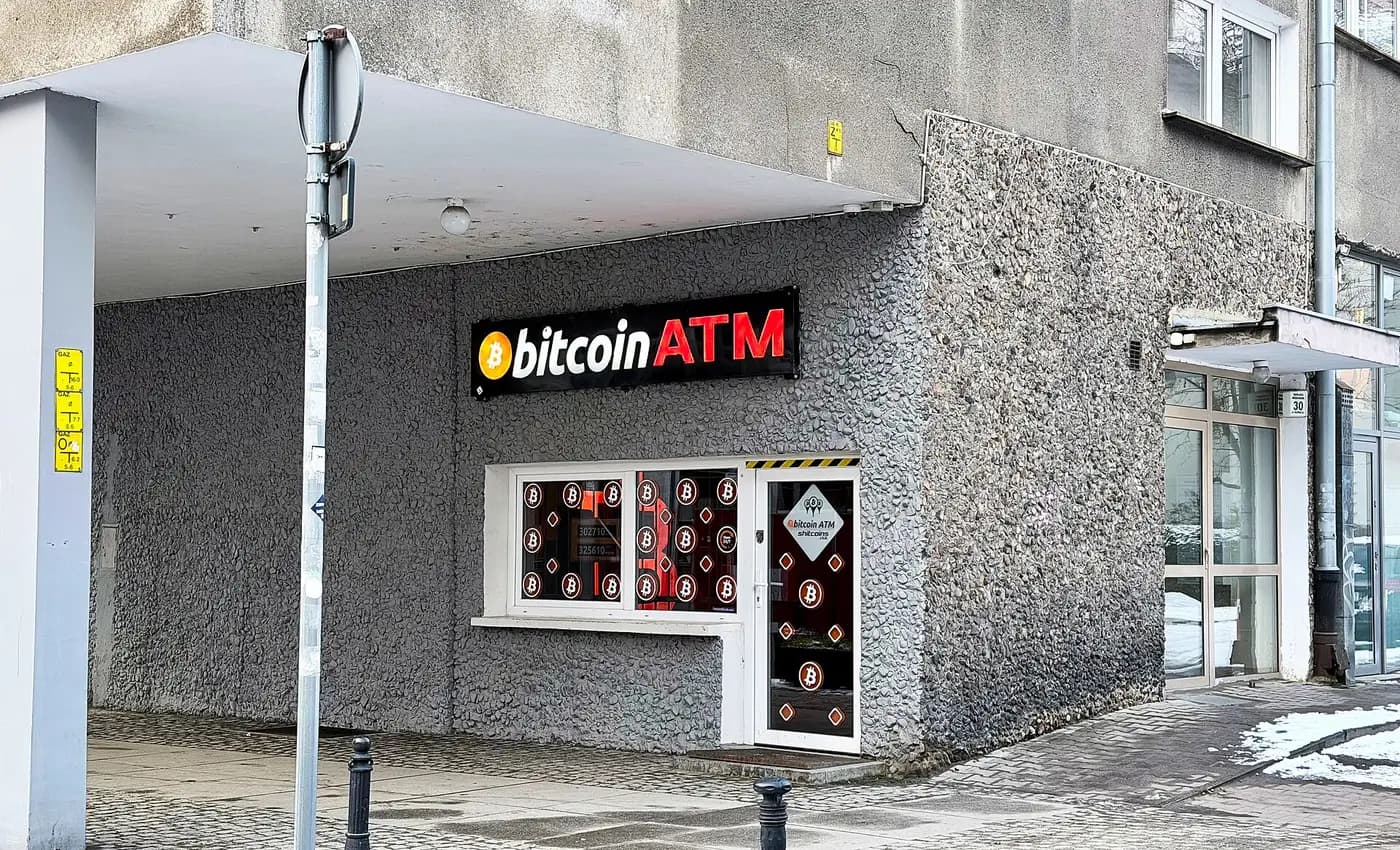
Crypto ATMs will stay legal in New Zealand. On 9 July, Associate Justice Minister Nicole McKee announced that the Government had dropped its plan for a blanket ban on the machines and would take what she called a “targeted and proportionate” approach instead.
“Banning something is a serious decision that should not be taken lightly,” McKee said, RNZ reported. Cabinet had agreed in June 2025, in principle, to ban crypto ATMs, but that decision was subject to further policy analysis.
How we got here
The ban was announced in July 2025 as part of a wider overhaul of New Zealand’s anti-money laundering and countering financing of terrorism (AML/CFT) rules. The same package proposed a NZ$5,000 limit on international cash transfers. At the time, data from tracking site Coin ATM Radar showed more than 220 crypto kiosks operating around the country, Cointelegraph reported.
The plan followed a similar crackdown across the Tasman, where Australia’s financial intelligence agency AUSTRAC had introduced a A$5,000 cap on crypto ATM cash deposits and withdrawals. Operators pushed back. CoinFlip, then reported to run around 120 machines in New Zealand, called the proposed ban a step backward, 1News reported.
Because the 2025 decision was only agreed in principle, the ban never took effect.
“Crypto ATMs stay legal, but the Government now has a path to cap or block cash purchases of crypto.”
Why the Government changed course
McKee said further analysis found that crypto ATMs do pose real risks, particularly where criminals use cash to move money into crypto quickly and anonymously. Cash is attractive to organised crime because it is hard to trace, and once converted to crypto it can be moved across borders in ways that are hard for law enforcement to detect or disrupt.
But the analysis also found legitimate uses, including for New Zealanders who rely on cash. Cabinet concluded that a blanket ban was not the right response at this time, and McKee said the Government wanted to avoid unnecessary restrictions on lawful users while taking criminal misuse seriously.
What the new bill would do
Instead of a ban, the Government has created a power to restrict cash transactions for crypto through regulations. It is part of the AML/CFT (Omnibus) Amendment Bill, which was introduced to Parliament on 1 September.
Under the bill, buying or selling crypto with cash above a threshold set by regulation would be prohibited, and knowingly or recklessly breaching the limit would be an offence, according to law firm MinterEllisonRuddWatts. If clear evidence of harm emerges in New Zealand, the regulations could go further and prohibit cash payments for high-risk virtual assets altogether.
No threshold has been set yet. The Ministry of Justice plans to consult on cash limits for remittances and virtual assets in early 2027, and McKee has asked officials to consult crypto providers and users on how the protections should work.
The bill goes well beyond crypto ATMs. It would double the maximum prison sentence for money laundering from 7 to 14 years, create an infringement regime for minor AML/CFT breaches, and give the police Financial Intelligence Unit new powers to seek rapid freezes on high-risk accounts and transactions.
What happens next
The bill was introduced shortly before the 7 November election. MinterEllisonRuddWatts expects it to be carried forward into the next Parliament and to go through a select committee process during 2027, possibly into 2028, when the public will be able to make submissions.
Separately, the Department of Internal Affairs became New Zealand’s sole AML/CFT supervisor on 1 July 2026, taking over from a model shared with the Reserve Bank and the Financial Markets Authority. Crypto businesses, including ATM operators, must already identify customers and report suspicious activity under the existing AML/CFT rules.
If you use a crypto ATM
For now, nothing changes at the machine. Be wary of anyone who tells you to take cash to a crypto ATM, particularly someone you’ve met online or who claims to be from your bank, a government agency or a tech company. Requests to buy crypto for someone else are a common sign of a romance, impersonation or job scam.
Once crypto leaves the machine and reaches someone else’s wallet, it usually can’t be reversed. Only ever send it to a wallet you control.
This article is general information only and is not financial advice. Crypto-assets can be volatile, and blockchain transfers are generally irreversible.
Eli Hylands
Eli is the founder of Flow Crypto and editor of Flow News, covering crypto for New Zealanders.